
Integrity is the standard we hold ourselves to when no one is watching as much as when everyone is. On our sites that means reporting a weld the way it actually tested, not the way it was hoped to test; pricing a scope honestly rather than low-balling it to win the job; and telling a client the truth about a schedule or a defect even when it’s an uncomfortable conversation. We built Smart Engineering Solution on the belief that trust is earned project by project, and that it’s lost the moment we cut a corner to make a number look better. Every commitment we make — on safety, on quality, on delivery — is one we intend to keep, because our word is the foundation everything else at SES is built on.
That standard doesn’t bend under pressure — a tight deadline, a difficult client, or a mistake that would be easier to quietly fix than to disclose. It shows up in how we document inspections, how we report progress, and how we handle the moments when something has gone wrong on site: we say so, and we fix it, rather than letting a small problem become someone else’s surprise later. Our supervisors are expected to enforce this the same way whether the client’s engineer is on site or a thousand kilometers away, and our estimators are expected to quote the same job the same way regardless of who’s asking. Integrity, for us, isn’t a value we display — it’s the reason a client can hand us a project and trust that what we report back is what actually happened.


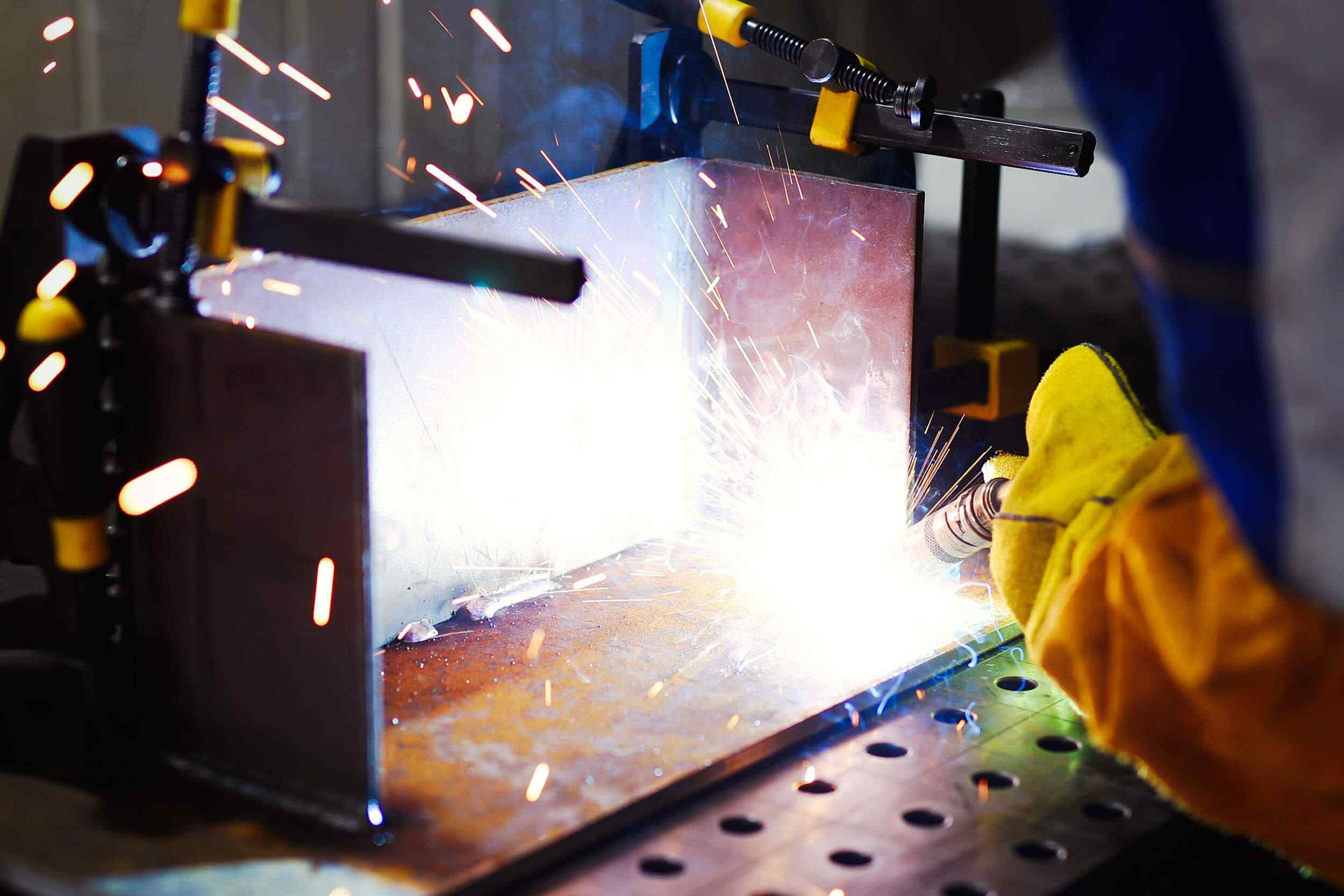
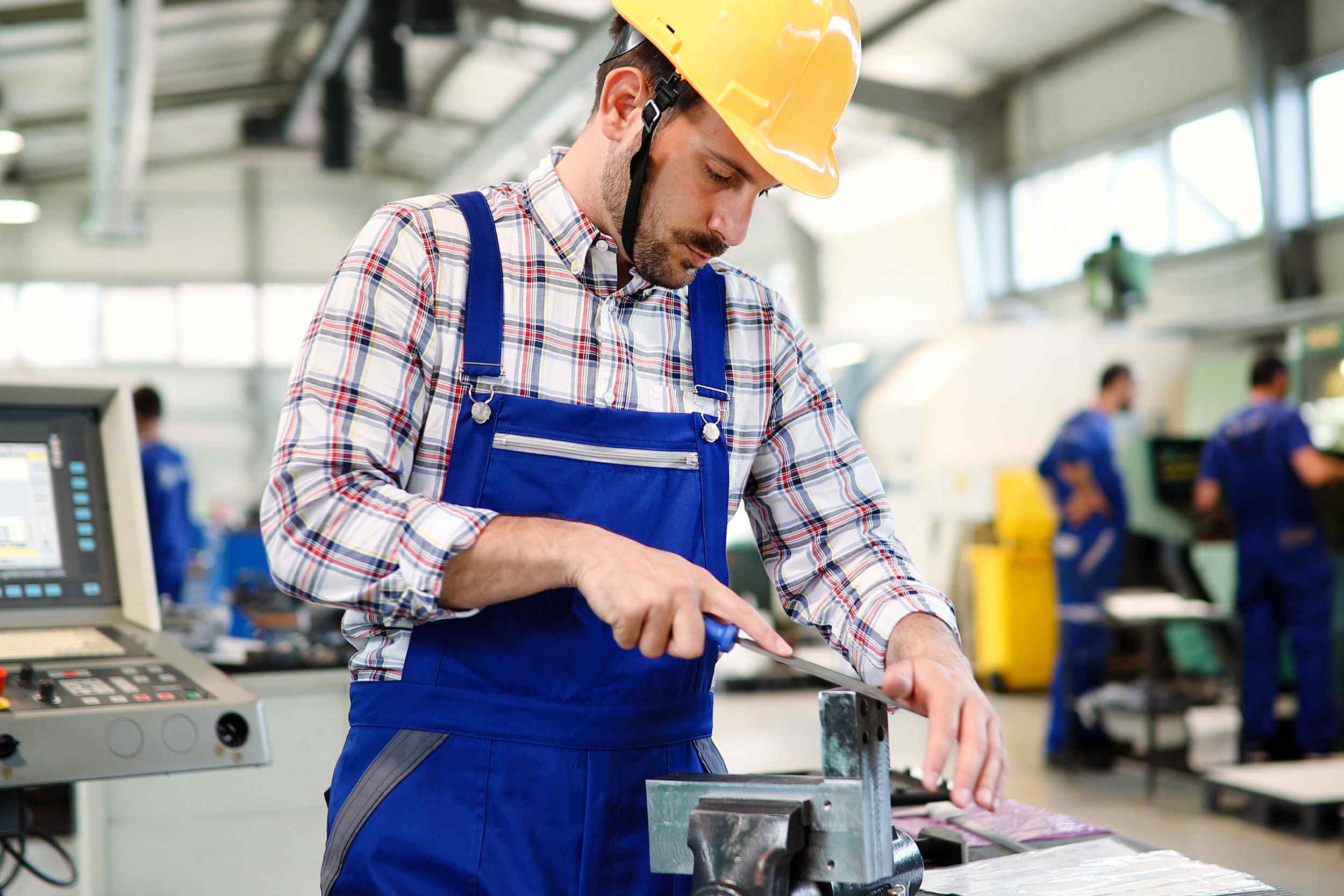
Quality at Smart Engineering Solution isn’t a final inspection — it’s a discipline we build into every stage of a project, from the first engineering drawing to the last coat of paint. Our ISO 9001:2015 quality management system governs how we plan, execute and document work, and our QA/QC inspectors are involved from the start of a job, not called in at the end to sign off on it. A weld, a coating thickness, a dimensional tolerance — each is checked against the codes our clients are held to, because a standard that’s only met on paper isn’t a standard at all. We’d rather redo a section of work ourselves, on our schedule, than have a client discover a shortfall on theirs.
That commitment holds regardless of project size or how tight the timeline is, because industrial infrastructure doesn’t get a second chance to be built right — a plant that runs for decades is only as reliable as the quality decisions made during its construction. Our supervisors and engineers are trained to flag a problem the moment they see it, not after it’s been built over, and every project closes out with the same records and traceability whether it’s a small maintenance job or a multi-month fabrication and construction contract. Quality, to us, is simply what happens when trust, process and craftsmanship are all pointed in the same direction — and it’s why clients come back to us for the next project instead of shopping the job elsewhere.
Innovation in an industrial engineering business rarely looks like invention for its own sake — it looks like being the first on site to bring a better material, a faster fabrication method, or a more reliable coating system to a problem that used to be solved the old way. At Smart Engineering Solution, that means our engineers stay current with evolving codes and technologies rather than defaulting to how a job was done a decade ago, and our teams are trained continuously so new methods reach the field as capability, not as a disruption to relearn around. When a client’s plant is asked to run longer with less downtime, or a project calls for a technique outside our usual scope, we treat that as an engineering problem to solve — not a reason to say no.
This mindset is also why we built SES as a multi-disciplinary house rather than a single-trade contractor: when mechanical, civil, structural, process and coating disciplines sit under one roof, a better solution doesn’t have to wait on the next vendor’s schedule or sign-off. It lets us propose alternatives a client hadn’t considered, adapt a design when field conditions don’t match the drawing, and bring lessons from one sector — oil and gas, power, manufacturing — into another where they haven’t been tried yet. Innovation, for us, is measured the same way everything else at SES is measured: by whether it makes the finished project safer, more durable, or more efficient to build.
Safety is the one standard at Smart Engineering Solution that has no acceptable exception — not a tight deadline, not a client’s urgency, not a supervisor’s pressure to keep a schedule moving. Our HSE culture is built into our ISO 45001-certified management system, and it governs how a job is planned before a single tool is picked up: risk assessments, permits, PPE, and site inductions aren’t paperwork we complete to satisfy an auditor, they’re the reason our people go home at the end of every shift. We’ve run shutdowns and turnarounds where there is no room for a second attempt, and the lesson those projects teach is always the same — the fastest way to lose time on a project is to get safety wrong.
That standard applies equally to our own workforce and to everyone else on a shared site — subcontractors, client personnel, and the public around a project. Our supervisors are trained to stop work the moment a condition looks unsafe, without needing to escalate the decision first, and every incident or near-miss is investigated and fed back into how we plan the next job, not filed away once the immediate issue is resolved. We take this seriously because the industries we work in — oil and gas, petrochemical, power — carry real consequences when safety is treated as secondary, and because no project outcome, however good, is worth achieving at the cost of someone’s wellbeing.